Team and Club Bulk Order Email Strategy: How Sports Brands Win Institutional Sales via Email
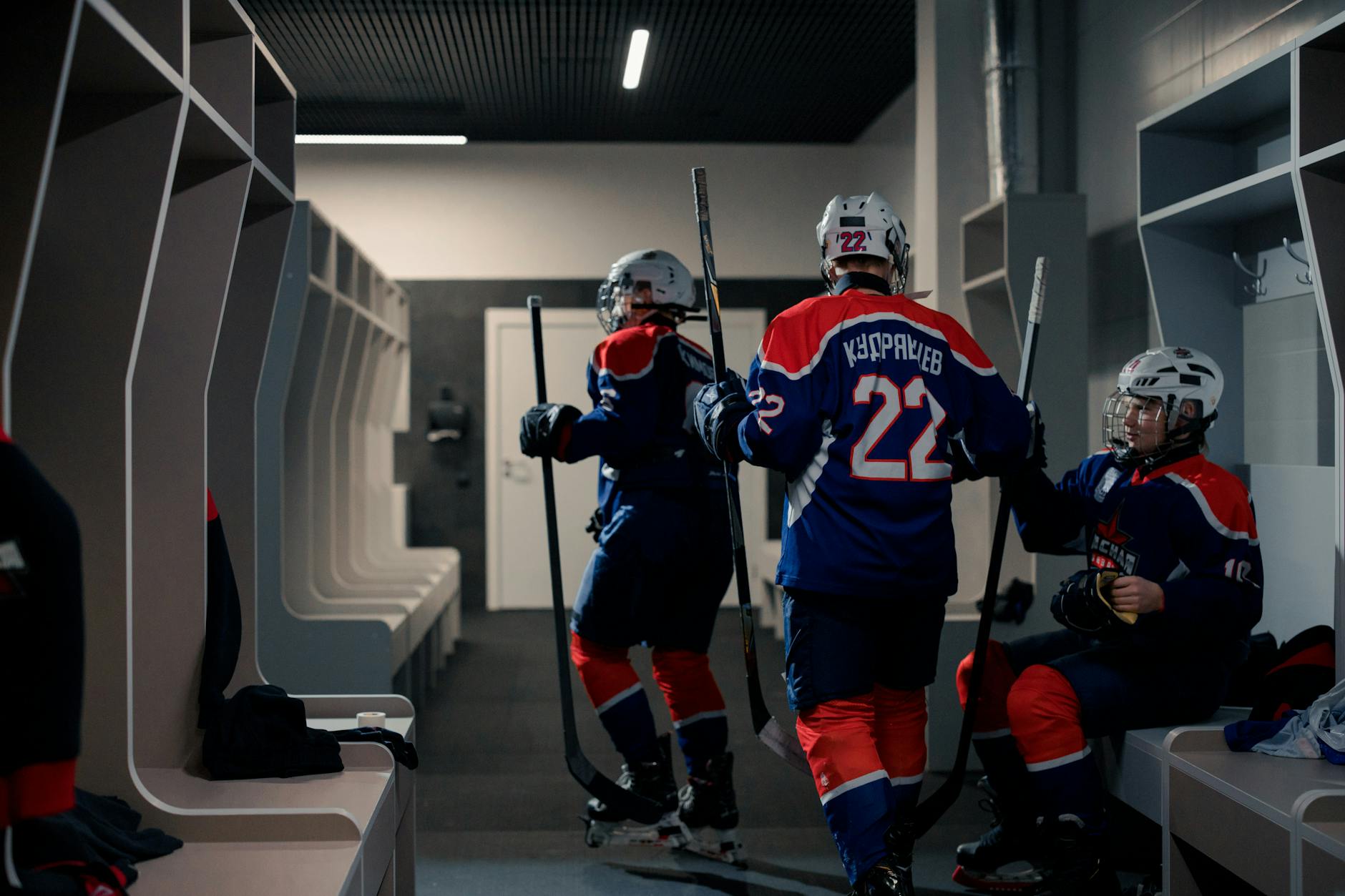
A single team order can be worth more than 50 individual purchases. A club or school district account, renewed annually, can be worth more than your entire top 100 individual customer list. And yet most sports brands pursue team and institutional sales through cold calls, trade shows, and sales rep relationships—while leaving email virtually untouched as a channel for this type of revenue.
Team and club bulk order email strategy is a specialized discipline. The buyer is different (coach, athletic director, team manager, club president). The decision process is different (committee approval, budget cycles, logo customization). The email content has to be different. But the opportunity is enormous—and systematically underpursued.
Understanding the Institutional Buyer in Sports
Before writing a single email, understand who you’re writing to and what they care about.
The Coach or Team Manager
Coaches are the most common institutional buyer for team sports gear. Their priorities are:
- Durability and reliability. They can’t have equipment fail mid-season. One bad product experience becomes a very public problem.
- Consistency. The whole team needs the same color, the same style, ideally the same fit. Customization and uniformity are essential.
- Turnaround time. Season starts are hard deadlines. A uniform order that arrives two weeks into the season is a failure regardless of product quality.
- Simplicity. Coaches are busy. They need easy ordering, clear confirmation, and reliable communication without having to chase status updates.
Your email to a coach should lead with these priorities, not with your product’s performance specs or your brand story.
The Athletic Director or Purchasing Manager
For schools and larger institutions, the athletic director or a purchasing manager controls the budget and often the vendor approval process. Their priorities are:
- Cost per unit and bulk pricing transparency. They are evaluating your program against competitors on a spreadsheet.
- Vendor reliability and certification. Some institutions require vendor approval processes; being a certified or preferred vendor matters.
- Contract and payment terms. Net 30, purchase order workflows, and end-of-fiscal-year purchasing constraints are real factors.
- Budget alignment. Email them before their budget cycle ends, not after it’s been allocated to a competitor.
Your email to an athletic director is a business pitch, not a sports gear recommendation. Lead with cost structure, reliability record, and purchasing process simplicity.
The Club President or Committee Chair
Amateur clubs—running clubs, cycling clubs, masters swim teams, recreational soccer leagues—often make purchasing decisions by committee. The club president or a volunteer gear coordinator manages the process. Their priorities are:
- Member satisfaction. They’re accountable to their club community for the quality of team gear.
- Affordability at a per-member level. They need to present a cost to members that feels fair.
- Customization. Club logos, colors, and member names on gear are table stakes.
- Flexible ordering. Members join at different times; batch ordering or rolling membership orders require a flexible fulfillment system.
Building the Institutional Buyer Email List
You can’t run a team and club email program without the right contacts. This is the most common bottleneck in institutional email marketing, and it requires a deliberate list-building strategy.
Sources for Coach and Manager Contacts
Existing customer data: Review past team orders. Who placed them? Do you have their email address? If not, that’s your first gap to close.
Sports league and association directories: Many recreational sports leagues publish coach contact information publicly or through member directories. Youth soccer associations, running clubs, swim leagues, and cycling federations often have searchable rosters.
School athletic director directories: State-level athletic associations often maintain public directories of school athletic directors and contact information. These are legitimate outreach targets for school supply programs.
Referrals from individual customer base: Your best source of team contacts is often your existing customers. A runner who bought race gear from you might coach a high school cross-country team. Ask directly: “Do you or someone you know coach a team or run a club? We work with teams on bulk gear programs—happy to share details.”
Event sponsorships and expo presence: If you sponsor or participate in sports events, collect contact information from coaches and club managers specifically. A business card scanner or QR code sign-up at your booth builds a targeted institutional contact list quickly.
Email 1: The Cold Outreach to Coaches and Team Managers
Cold outreach to institutional buyers requires a different tone than consumer marketing. It should be brief, professional, specific to their role, and lead immediately with value.
Cold Coach Outreach Email Structure
Subject line options:
- “Team gear for [Sport] coaches — bulk pricing and custom orders”
- “Uniform and gear program for your [Sport] team — here’s how it works”
- “[School/League Name] team gear — quick question”
Email body (150–200 words maximum):
Hi [Coach Name],
I’m reaching out because we work with [sport] coaches and team managers who need reliable, customized team gear with quick turnaround.
We offer:
- Bulk pricing starting at [X] units — up to [X]% below retail
- Custom team colors, logos, and player names
- [X]-week turnaround from order confirmation
- Dedicated team order coordinator for every account
Teams we currently outfit include [type of programs — not specific names without permission] at the high school, collegiate, and club level.
If you’re coming up on a season or looking to refresh your team kit, I’d be glad to send a quote or samples for your review.
Is this relevant for your program this season?
Best, [Name] [Title], [Company] [Phone] | [Email]
Short, direct, professional. One clear question at the end makes a response easy. The goal is a reply, not an immediate order.
What NOT to Do in Cold Institutional Outreach
- Don’t send a product catalog as the first email
- Don’t lead with “I wanted to introduce myself”
- Don’t send a multi-paragraph brand story
- Don’t include more than one CTA
- Don’t send without personalizing at least the name, sport, and relevant program context
Email 2: The Bulk Pricing Offer Campaign
For coaches and managers who are in your database but haven’t placed a team order yet, a dedicated bulk pricing offer email activates purchase consideration.
Subject line: “Team gear pricing for [Season]: bulk discounts and fast turnaround”
Email structure:
-
Lead with the offer clearly: “Team orders of 12+ units receive [X]% off. Orders of 24+ units receive [Y]% off and free custom logo printing.”
-
Address the timing concern: “Season starts in [X] weeks. Our standard production time is [X] business days from artwork approval. Place your order by [date] to guarantee delivery before opening day.”
-
Show a visual of past team gear: Include one image of a real team uniform or gear set you’ve produced. Social proof through visual examples is extremely effective for institutional buyers who need to visualize what they’re committing their team to.
-
Make ordering frictionless: Include a direct link to start a team order quote request or assign a dedicated contact: “Contact [name] directly at [email] or [phone] for immediate assistance.”
-
Add a simple FAQ: Three common questions coaches have—“How does custom logo work?”, “What if a player leaves and we need more units?”, “What’s your return policy for team orders?”—answered in two sentences each.
Subject line alternatives:
- “[Season] is [X] weeks away — lock in your team gear now”
- “Bulk team pricing: [%] off for [minimum order quantity] or more”
- “Custom team uniforms ready in [X] weeks — here’s how to order”
Email 3: The Coach/Manager Nurture Sequence
Institutional purchases rarely happen from a single email. Coaches and athletic directors typically need multiple touchpoints across a decision window before placing a team order. Build a 4–6 email nurture sequence for institutional contacts who haven’t yet converted.
Email 3A: Team Gear Planning Resource (Week 2)
Subject line: “Team gear planning guide: what to think about before you order”
A useful resource email covering:
- How to measure for team sizing orders
- Understanding your customization options
- How to submit artwork for logo printing
- Budget planning by sport and level
This email positions you as a helpful resource and keeps your brand visible without pushing for an immediate purchase.
Email 3B: Testimonial and Social Proof (Week 4)
Subject line: “What other [sport] coaches say about ordering through us”
Feature 2–3 brief testimonials from coaches or team managers (real, attributed quotes with team type and level). Address the most common concerns: quality, turnaround time, and the ordering process. If you have photos of teams wearing your gear, include them.
Email 3C: Season Urgency Email (6–8 Weeks Before Season)
Subject line: “[Season] ordering deadline: [date]”
A specific, hard deadline email. Production and shipping timelines create real urgency here—this isn’t manufactured scarcity. If they don’t order by [date], they cannot receive gear before opening day. State this plainly. Add a direct phone number for coaches who want to speak with someone before committing.
Email 3D: Post-Season Re-Engagement (3–4 Weeks After Season Ends)
Subject line: “[Season] is wrapped — start planning next year’s kit”
Institutional buyers often think about next season’s gear shortly after the current season ends. A proactive post-season email that opens the planning conversation early—before the competition does—is one of the most effective tactics in institutional sales.
Include: next season’s calendar dates, any new products or color options launching for the next year, and an early-commit discount for teams that place next season’s order before a specified off-season date.
Building Your Team Account Program
Beyond individual campaigns, consider building a formal team account program with structured benefits. Communicate this program in a dedicated email.
Subject line: “Introducing [Brand] Team Accounts — benefits built for coaches”
Program elements to offer:
- Dedicated team order coordinator
- Net 30 payment terms for approved accounts
- Team-specific pricing tier based on annual volume
- Season gear planning sessions with a brand rep
- Sample and loaner gear program for evaluation before purchase
- Priority production scheduling during peak season periods
A formal program with a defined name and benefits creates institutional stickiness. Coaches who have team accounts don’t shop around—they have a relationship and a process that works.
Measuring Team and Club Email Performance
Standard email metrics apply, but add these institutional-specific KPIs:
- Institutional contact-to-quote request rate: Percentage of contacts who request a team pricing quote after email engagement
- Quote-to-order conversion rate: What percentage of team pricing quotes result in an order? Track this by email sequence to understand which messages accelerate the decision
- Average team order value: Track this over time as your account base matures and program benefits take hold
- Season-over-season renewal rate: The percentage of team accounts that re-order for the next season. This is your key retention metric for institutional accounts
Team and club bulk orders represent some of the most defensible recurring revenue a sports brand can build. An institutional account that re-orders every season, refers other coaches, and expands their kit over time is worth significantly more than any individual customer. And email is the most scalable channel for building those relationships at volume.
Related Excelohunt Services
Looking to implement these strategies with expert support?
- Email Campaigns — learn how we implement this for clients Get a free audit of your institutional sales email strategy →
If your current email program treats coaches and athletic directors the same as individual consumers, you’re leaving institutional revenue on the table. A dedicated B2B email track for this audience is one of the highest-leverage investments a sports brand can make.
More in Strategy
- Best Email Marketing Agencies for Small DTC Brands ($40k+/mo)
- Best Email & SMS Marketing Agencies for Ecommerce (2026)
- Chronos Agency Alternatives for $40k–$500k/mo DTC Brands
- Chronos Agency Pricing Explained: Is the $10k Minimum Worth It?
- Chronos Agency vs InboxArmy: Which Is Better for DTC Email?
Want Us to Implement This for Your Brand?
Get a free email audit and see exactly where you're losing revenue.
Get Your Free Audit