Email Marketing for Home Decor Brands: Inspiration-Driven Strategies That Convert
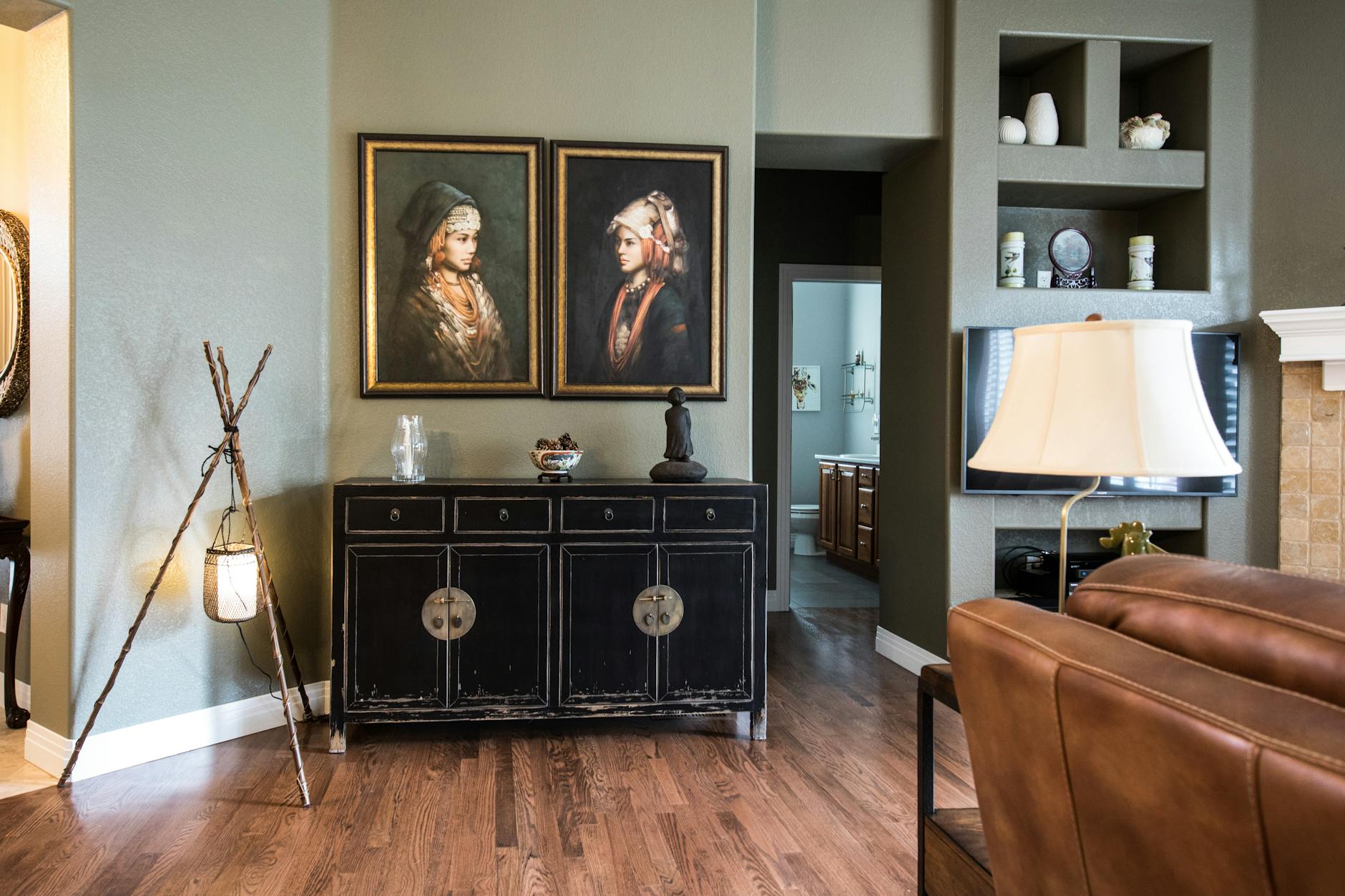
Home decor email marketing is fundamentally different from most e-commerce verticals. Your customers aren’t buying out of necessity or on a predictable replenishment cycle. They’re buying based on inspiration, aspiration, and emotion. A customer doesn’t wake up needing a new throw pillow. They see a beautifully styled living room in their inbox and think, “I want my space to feel like that.”
That insight changes everything about how you approach email.
The brands that win in home decor don’t sell products — they sell a lifestyle. Their emails feel like a design magazine, not a catalog. And the results are dramatic: home decor brands that adopt an inspiration-first email strategy see 30-50% higher engagement rates and 20-35% more revenue per email compared to product-catalog approaches.
We’ve managed email programs for 25+ home decor and furniture brands. Here’s the playbook.
Key Takeaways
- Inspiration-driven emails outperform product-catalog emails by 30-50% on click-through rate in the home decor vertical
- Room-based segmentation (living room, bedroom, kitchen, etc.) increases relevance and drives 25-40% higher conversion
- Home decor has a longer consideration cycle than most verticals — your flows need to nurture, not rush
- Lifestyle photography generates 2-3x more clicks than product-only photography in emails
- Seasonal and trend-driven content creates urgency in a category that typically lacks it
- Klaviyo’s visual product recommendations and dynamic content are essential for scaling personalization
Why Home Decor Is Different
Before diving into tactics, you need to understand the unique characteristics of the home decor buyer:
High consideration, low frequency. The average home decor customer makes 2-4 purchases per year, compared to 6-10 for fashion or 12+ for beauty/supplements. Each purchase involves more deliberation.
Visual-first decision making. Home decor is one of the most visual e-commerce categories. Customers need to see the product in context — in a room, with complementary pieces, in different lighting. A product on a white background doesn’t inspire a purchase.
Room-level thinking. Customers don’t think in product categories (vases, throws, candles). They think in rooms and vibes. “I want to refresh my living room.” “I want my bedroom to feel cozy.” Your email strategy needs to match this mental model.
Trend-sensitive. Colors, textures, and styles shift seasonally. What’s aspirational in spring (light, airy, organic) is different from fall (warm, layered, rich). Your email content needs to ride these waves.
High AOV, high margin. Average order values in home decor typically range from $80-$250, with healthy margins. This means even small conversion improvements translate to meaningful revenue.
The Inspiration-First Content Framework
Stop Sending Product Grids
The most common home decor email format is a 2x3 grid of product images with prices underneath. It looks like a catalog. And it underperforms dramatically.
Here’s the data from our clients:
| Email Format | Avg Click Rate | Avg Conversion Rate | Avg RPR |
|---|---|---|---|
| Product grid (6+ items) | 1.2% | 0.8% | $0.06 |
| Styled room + product callouts | 3.1% | 2.2% | $0.18 |
| Editorial/inspiration + shop links | 3.8% | 1.9% | $0.16 |
| Single hero + curated collection | 2.9% | 2.5% | $0.22 |
The styled room format outperforms product grids by 2-3x on click rate. The single hero image with a curated collection generates the highest revenue per recipient because it combines visual impact with focused purchasing intent.
The Ideal Home Decor Email Structure
1. Hero Image (Full Width)
A lifestyle photo showing products styled in a real room. Not a product shot — a room shot. This is what stops the scroll and creates the emotional response.
2. The Story / Inspiration (2-3 Sentences)
Don’t just show the room — narrate it. “This living room embodies quiet luxury — neutral tones, organic textures, and statement lighting that draws the eye without overwhelming the space.”
3. Shop the Look (3-4 Products)
Call out specific products from the hero image with individual links and prices. “1. Linen Sofa in Oatmeal — $1,299 | 2. Textured Throw Pillow — $48 | 3. Ceramic Table Lamp — $165”
4. Complementary Picks (2-3 Products)
Products that fit the same aesthetic but aren’t in the hero image. “Complete the look with these pieces.”
5. CTA: Shop the Collection
Link to a curated collection page, not the homepage. Customers who click from an inspirational email need to land in a curated environment, not your full catalog.
Content Calendar for Home Decor Brands
Weekly Sends (Recommended: 2-3 per week)
- Inspiration email (1x): Styled room, trend spotlight, or designer picks
- New arrivals or curated collection (1x): Fresh product with lifestyle context
- Educational/engagement (1x): Styling tips, room makeover guides, color trend breakdowns
Monthly Sends:
- Customer spotlight: UGC feature showing real customers’ homes with your products
- Behind the scenes: How products are made, designer interviews, sourcing stories
- Seasonal lookbook: Full collection styled for the current season
Segmentation for Home Decor Brands
Room-Based Segmentation
This is the highest-impact segmentation strategy for home decor, and most brands don’t do it.
How to collect room data:
- Purchase history: Tag products by room category in your Shopify catalog. Klaviyo syncs these tags, allowing you to segment by room.
- Browse behavior: Track which room-based collection pages customers visit. In Klaviyo, create segments based on “Viewed Product” events where the product category matches a room.
- Signup quiz: Add a question to your welcome popup: “Which room are you currently working on?” Store the answer as a Klaviyo custom property.
- Email engagement: Track clicks on room-specific content. If someone consistently clicks on bedroom content, tag them accordingly.
Segments to create:
- Living Room Enthusiasts
- Bedroom Focused
- Kitchen & Dining
- Bathroom
- Outdoor/Patio
- Whole Home (engaged with multiple categories)
How to use these segments:
- Send room-specific inspiration emails to each segment
- Personalize product recommendations by room context
- Time outdoor/patio content seasonally (spring/summer push)
- Cross-sell across rooms for “Whole Home” segment
Style-Based Segmentation
Beyond rooms, segment by aesthetic preference:
- Modern/Minimalist — Clean lines, neutral palette, simple forms
- Bohemian/Eclectic — Layered textures, global influences, warm tones
- Traditional/Classic — Timeless pieces, rich fabrics, structured layouts
- Farmhouse/Rustic — Natural materials, vintage-inspired, cozy
- Coastal/Natural — Light palette, organic materials, relaxed vibe
Identify style preferences through purchase patterns and browse behavior. A customer who consistently views and buys modern furniture shouldn’t receive farmhouse-style inspiration emails.
Lifecycle Segmentation Specific to Home Decor
New Movers: Customers who mention or indicate they’ve recently moved. These buyers spend 3-5x more than established homeowners in a 6-month period. If you can identify them (through a quiz, signup question, or move-related product purchases), they deserve a dedicated high-frequency nurture sequence.
Room-by-Room Buyers: Customers who’ve purchased from one room category and can be guided to the next. After furnishing their living room, suggest the bedroom. This extends the customer journey over months.
Seasonal Refreshers: Customers who purchase around the same time each year (spring refresh, holiday decorating). Time your campaigns to their historical purchase patterns.
Gift Buyers: Customers whose purchase patterns suggest gift buying (different shipping addresses, gift wrap selections, November-December spikes). Segment them for gift-specific content and timing.
Essential Klaviyo Flows for Home Decor
Flow 1: Welcome Series (Inspiration-Heavy)
Home decor welcome series should educate and inspire, not just offer a discount.
Email 1 (Immediate): Welcome + Brand Story
- Hero: Your most stunning lifestyle image
- Content: What your brand stands for, your design philosophy
- Welcome offer: 10-15% off (but don’t lead with it — lead with inspiration)
- CTA: Shop bestsellers or take a style quiz
Email 2 (Day 3): Style Quiz or Design Guide
- Help the customer discover their style
- If using a quiz: Integrate with Klaviyo via Octane AI or custom quiz tool
- If no quiz: Curate “5 styles, which one is you?” with clickable images
- Use click data to tag their style preference for future personalization
Email 3 (Day 5): Room Inspiration
- Based on style preference (if collected) or bestsellers
- Full lifestyle imagery
- “Get the look” format with shoppable product callouts
Email 4 (Day 8): Social Proof
- Customer home photos (UGC)
- Reviews highlighting how products look in real homes
- “See how our community styles [brand]“
Email 5 (Day 12): Welcome Offer Reminder
- Reminder of expiring discount
- Curated selection based on their browse behavior (Klaviyo Product Recommendations)
- Urgency-driven subject line
Flow 2: Browse Abandonment (Extended Nurture)
Home decor has a longer consideration cycle. Your browse abandonment flow should nurture, not pressure.
Email 1 (3 hours post-browse): Soft Reminder
- Subject: “Still thinking about the [product category]?”
- Show the viewed product in a lifestyle context (not just the product shot)
- Include 2-3 complementary pieces: “Style it with…”
- No discount
Email 2 (Day 2): Inspiration Context
- Subject: “How to style [product] in your [room]”
- Show the product in 2-3 different room settings
- Include customer reviews or UGC featuring the product
- Link to a room-inspiration collection page
Email 3 (Day 5): Social Proof + Urgency
- Subject: “[Product] is one of our most-loved pieces — here’s why”
- Lead with reviews and customer photos
- Mention if stock is limited (only if true)
- Consider a small incentive for first-time buyers
Flow 3: Post-Purchase Room Builder
This is unique to home decor and incredibly effective. After a customer purchases, guide them to complete the room.
Trigger: Placed Order
Conditional Split: By product room category
Email 1 (Day 7, post-delivery): How to Style Your New [Product]
- Styling tips specific to their purchase
- Show their product in 2-3 different room arrangements
- “Complete the look” with 3-4 complementary products from the same room category
Email 2 (Day 14): The Full Room Inspiration
- Full room reveal featuring their product category
- “You’ve started your [room] refresh — here’s the full vision”
- Shoppable room layout with all products called out
Email 3 (Day 30): Adjacent Room Cross-Sell
- “You nailed the [living room]. Ready to tackle the [bedroom]?”
- Curated collection for a different room
- Use their established style preference to match the aesthetic
Flow 4: Seasonal Refresh Campaign
Home decor is inherently seasonal. Build a flow that triggers based on season transitions.
Trigger: Date-based (March 1 for spring, June 1 for summer, September 1 for fall, November 1 for holiday)
Email 1: The Season Ahead
- New seasonal collection or lookbook
- Trend forecast: “3 design trends defining [season] 2025”
- Aspirational lifestyle imagery
Email 2 (Day 4): Room-Specific Seasonal Update
- Personalized by room preference: “Spring-ify your [living room]”
- Quick-win styling tips (swap throws, add seasonal florals, change candle scents)
- Affordable updates alongside statement pieces
Email 3 (Day 8): Last Season’s Clearance
- Clear outgoing seasonal inventory
- “Make room for [new season] — up to 40% off select [previous season] styles”
- Urgency: limited stock, once it’s gone it’s gone
Visual Email Best Practices for Home Decor
Photography Guidelines
Do:
- Use lifestyle photography showing products in styled room settings
- Show scale — include furniture alongside decor items so customers understand size
- Vary your lighting — bright and airy for some emails, moody and warm for others
- Include close-up texture shots for fabrics, ceramics, and natural materials
- Use consistent color grading that matches your brand aesthetic
Don’t:
- Use exclusively white-background product shots (save those for product pages)
- Show cluttered rooms with too many products (it becomes overwhelming)
- Use stock photography that doesn’t match your actual products
- Neglect mobile optimization — 70% of opens are on mobile
Email Design Tips
- Full-width hero images perform 35% better than padded/bordered images in home decor
- Minimal text overlay on images — let the photography speak
- Warm, readable fonts that match the lifestyle aesthetic
- Maximum 2 CTAs per email — one primary, one secondary
- Alt text that sells — when images don’t load, your alt text should still inspire (“A cozy living room with layered neutrals and statement lighting”)
UGC as a Design Asset
User-generated content is gold for home decor brands. Real customers’ homes, even imperfectly styled, build trust that professional photography can’t match.
How to collect UGC:
- Post-purchase email asking customers to share photos of their styled products
- Instagram hashtag campaign
- Review platform that supports photo reviews
- Dedicated UGC submission page on your site
How to use UGC in email:
- Monthly “Customer Homes” feature email
- Integrate into browse abandonment flows (“See how [customer] styled this in their home”)
- Welcome series social proof email
- Seasonal inspiration emails mixing professional and UGC imagery
Measuring Success for Home Decor Email Programs
Adjusted Benchmarks
Home decor has different benchmarks than general e-commerce due to higher AOV, lower frequency, and longer consideration cycles:
| Metric | Below Average | Average | Above Average |
|---|---|---|---|
| Campaign open rate | < 20% | 25-32% | 35%+ |
| Campaign click rate | < 1.5% | 2.0-3.5% | 4.0%+ |
| Campaign RPR | < $0.08 | $0.12-0.20 | $0.25+ |
| Welcome flow conversion | < 3% | 5-8% | 10%+ |
| Browse abandonment RPR | < $0.10 | $0.15-0.25 | $0.30+ |
| Email as % of total revenue | < 20% | 25-35% | 40%+ |
| 90-day repeat purchase rate | < 10% | 15-22% | 25%+ |
Key Metrics to Watch
Engagement quality over quantity. In home decor, a lower open rate with a higher click rate is better than high opens and low clicks. It means your emails are reaching the right people who are truly inspired.
Time-to-second-purchase. Home decor’s biggest challenge is bringing customers back. Track how long it takes and which email flows are most effective at shortening that window.
Revenue per email by content type. Track which email formats (product grid, styled room, editorial, UGC) drive the most revenue. Double down on what works.
Room cross-sell rate. What percentage of customers who buy from one room category go on to buy from another? This is your north star for the post-purchase room builder flow.
The Bottom Line
Home decor email marketing requires a fundamentally different approach than most e-commerce verticals. You’re not selling products — you’re selling a vision for someone’s living space. Every email should inspire first and sell second.
The brands that invest in lifestyle photography, room-based segmentation, and inspiration-driven content see dramatically better results than brands that treat home decor like any other product category.
Sell the room, not the rug.
Want us to set this up for your store? Get a Free Audit
More in E-Commerce
- Email Marketing for UK Subscription Box Brands: Reducing Churn and Growing LTV
- Email Marketing for Australian Shopify Brands: The Complete Setup Checklist
- Email Marketing for UK Supplements & Nutrition Brands
- How Australian E-Commerce Brands Can Win Back Lapsed Customers With Email
- Email Marketing for Canadian Supplements & Nutrition Brands