Email Marketing for Fashion & Apparel Brands: Seasonal Strategies That Sell
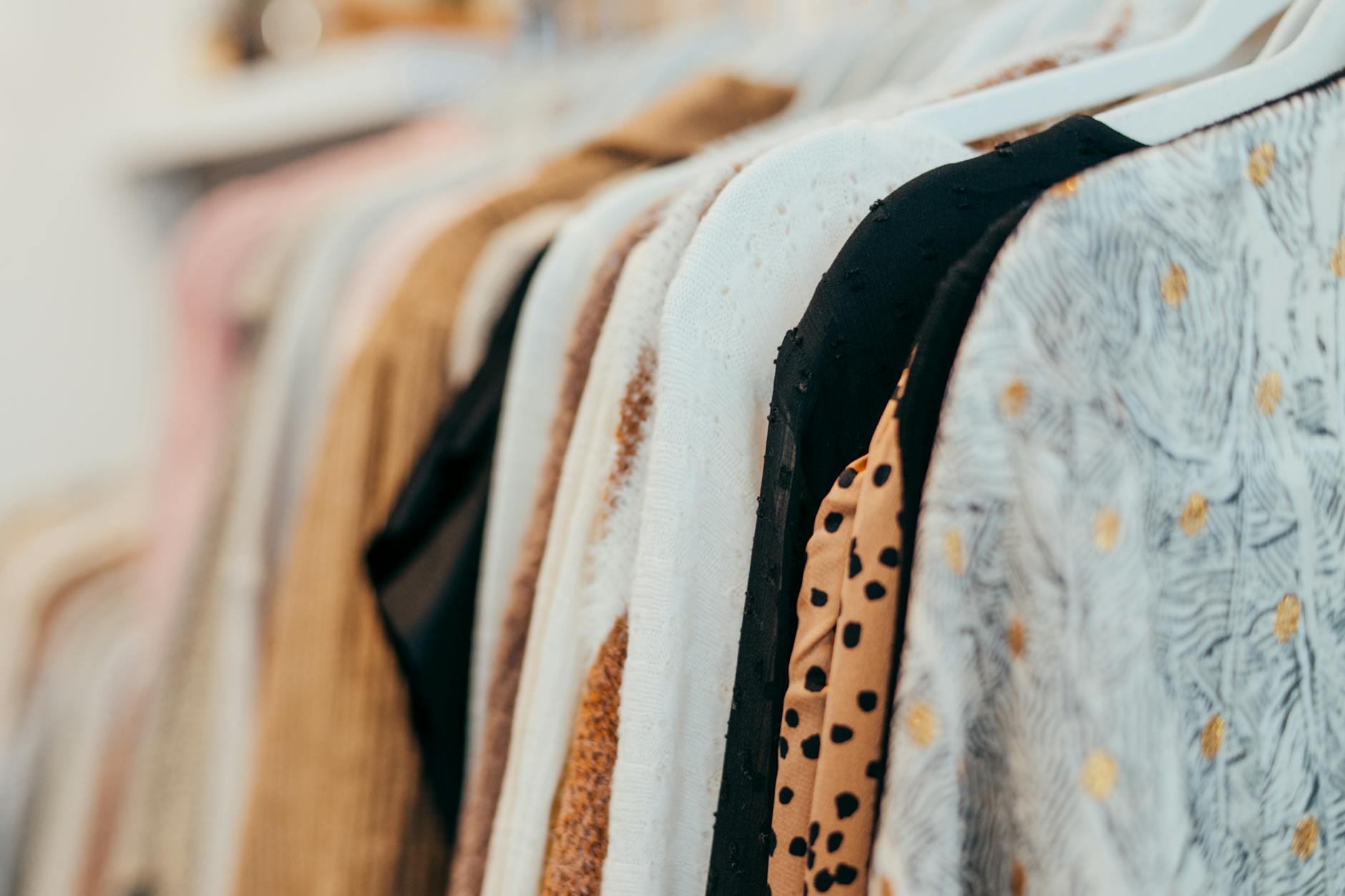
Fashion and apparel brands that do email well generate 30-40% of their total revenue from the email channel. Brands that don’t? They leave that money sitting in their ESP, unsent.
The difference comes down to one thing: seasonality. Fashion is inherently seasonal. Customer behavior shifts with weather, holidays, cultural events, and trend cycles. Yet most fashion brands send the same types of emails year-round — new arrivals, sale, new arrivals, sale — without adapting their strategy to the calendar.
We manage email for 80+ fashion and apparel brands on Klaviyo. Here’s the seasonal framework that consistently drives results.
Key Takeaways
- Fashion brands should plan email campaigns on a 12-month editorial calendar, built around 4 seasonal pillars and 8-10 cultural moments
- Segmenting by climate zone increases click-through rates by 18-25% on seasonal campaigns
- Pre-launch tease sequences (3 emails over 7 days) generate 2-3x the revenue of single-send collection drops
- Klaviyo’s catalog sync enables dynamic “shop the look” emails that convert 40% higher than static product grids
- End-of-season clearance flows recover 15-20% more revenue when triggered by inventory thresholds vs. calendar dates
- Size-based segmentation is the most underused tactic in fashion email — it lifts conversion rates by 30%
The 12-Month Fashion Email Calendar
Q1: January - March (Transition Season)
This quarter is about post-holiday cleanup and spring anticipation. Customer wallets are tight after the holidays, but engagement is high because people are thinking about fresh starts.
January: Post-Holiday Reset
- Week 1: “New year, new wardrobe” content campaign — style guides, outfit inspiration
- Week 2: Winter clearance launch (email 1: early access for VIPs)
- Week 3: Winter clearance (email 2: public launch with best-sellers highlighted)
- Week 4: Spring preview tease — “What’s coming” behind-the-scenes content
February: Valentine’s and Transition
- Week 1: Valentine’s gift guide (segment: gift buyers from last year + browse history)
- Week 2: “Treat yourself” campaign (segment: self-purchasers)
- Week 3: Spring collection sneak peek
- Week 4: End-of-winter final markdowns
March: Spring Launch
- Week 1: Spring collection pre-launch tease (3-email sequence)
- Week 2: Spring collection official launch
- Week 3: Transitional styling content (“How to layer for unpredictable weather”)
- Week 4: Spring bestsellers roundup
Q2: April - June (Peak Spring/Summer)
Revenue opportunity spikes here. People are refreshing wardrobes for warm weather, outdoor events, and vacations.
April: Spring in Full Swing
- Week 1: Easter / spring event outfit guides
- Week 2: New arrivals focus — 2-3 product drop emails
- Week 3: Customer spotlight / UGC campaign
- Week 4: Pre-summer tease
May: Summer Prep
- Week 1: Mother’s Day gift guide (segment: previous gift buyers)
- Week 2: Memorial Day sale (early access for VIPs)
- Week 3: Memorial Day sale (public + urgency push)
- Week 4: Summer essentials collection launch
June: Summer Launch
- Week 1: Summer collection full launch
- Week 2: Vacation packing guides (segment by destination preferences if available)
- Week 3: Father’s Day (if applicable to your catalog)
- Week 4: Mid-year VIP appreciation (exclusive access or reward)
Q3: July - September (Late Summer / Fall Transition)
This is where smart brands start building momentum for Q4. The brands that wait until October to plan holiday are already behind.
July: Mid-Summer
- Week 1: Summer sale launch (early access)
- Week 2: Summer sale public push
- Week 3: New arrivals + “still time to wear it” positioning
- Week 4: Back-to-school campaign (if relevant to demo)
August: Transition
- Week 1: End-of-summer clearance
- Week 2: Fall preview / lookbook tease
- Week 3: Labor Day sale early access
- Week 4: Fall collection pre-launch sequence
September: Fall Launch
- Week 1: Fall collection official launch
- Week 2: Layering and transition styling content
- Week 3: Fall bestsellers + restock alerts
- Week 4: Q4 loyalty program push — get subscribers enrolled before the holiday rush
Q4: October - December (Holiday Season)
This is where 35-50% of annual email revenue happens. Every email matters.
October: Pre-Holiday Buildup
- Week 1: Halloween collections / limited editions
- Week 2: Holiday gift guide production begins (tease content)
- Week 3: Early holiday shopping incentive (“Beat the rush, get 15% off”)
- Week 4: VIP early access to holiday collection
November: Peak Revenue
- Week 1: Holiday gift guides launch (segment by recipient: for her, for him, for kids)
- Week 2: Pre-Black Friday tease (build anticipation)
- Week 3: Black Friday / Cyber Monday (5-7 emails over the weekend — see our BFCM playbook)
- Week 4: Cyber Week extension + Giving Tuesday
December: Conversion Push
- Week 1: Last-minute gift guides with shipping deadlines
- Week 2: Shipping cutoff urgency (“Order by Dec 15 for guaranteed delivery”)
- Week 3: Digital gift card push (for last-minute shoppers)
- Week 4: Post-Christmas sale tease / year-end thank you
Segmentation Strategies for Fashion Brands
Segment by Climate Zone
A winter coat email hitting someone in Miami in December is wasted. Use Klaviyo’s Location profile property to build climate-zone segments:
- Cold climate (Northeast, Midwest, Mountain West): Heavy on outerwear, layers, winter accessories
- Warm climate (Southeast, Southwest, West Coast): Lighter seasonal transitions, less urgency on winter product
- Seasonal shift (Mid-Atlantic, Pacific Northwest): Transitional pieces, layering content
Climate-based segmentation increases CTR by 18-25% on seasonal campaigns because the product shown actually matches what the subscriber needs.
Segment by Size
This is the single most impactful segmentation tactic we deploy for fashion brands, and almost nobody does it.
Use Klaviyo profile properties or custom events to capture size data from:
- Previous purchase history (Klaviyo syncs ordered product variants from Shopify)
- Browse behavior (what sizes they click on product pages)
- Preference center / quiz data
Then filter campaigns to only show products available in the subscriber’s size. Why send an email featuring a dress if it’s sold out in their size? The result is a 30% lift in conversion rate and a meaningful drop in unsubscribes.
Segment by Style Preference
Use Klaviyo’s Catalog Interactions to categorize subscribers by the product categories they browse and buy most:
- Casual / everyday
- Workwear / professional
- Athletic / activewear
- Going out / occasion wear
Send collection launches and new arrival emails tailored to each style segment. A subscriber who only buys activewear doesn’t need to see your evening wear collection.
Segment by Purchase Frequency
Build these four core segments:
- First-time buyers (1 purchase) — focus on education, brand building, second purchase conversion
- Repeat buyers (2-3 purchases) — focus on expanding their wardrobe, cross-category selling
- Loyalists (4+ purchases) — focus on VIP treatment, early access, exclusive products
- Lapsed (no purchase in 90+ days) — focus on winback, “what you’ve missed,” incentives
Each segment should receive different campaign content, different flow messaging, and different offers. A blanket 20% off sent to your entire list is leaving money on the table.
Fashion-Specific Klaviyo Flows
The Collection Drop Sequence
Instead of one email announcing a new collection, build a 3-email pre-launch sequence:
Email 1 (7 days before launch): “Something new is coming” — behind-the-scenes imagery, no product shots. Build curiosity. Include a “notify me” CTA that tags the subscriber for priority access.
Email 2 (3 days before launch): Sneak peek — show 2-3 hero pieces. Create a Klaviyo segment of subscribers who clicked Email 1 and send this only to them (they’re warmer).
Email 3 (launch day): Full collection reveal with shop links. Send to VIPs and Email 1/2 engagers first (morning), then to the broader list (afternoon).
This sequence generates 2-3x the revenue of a single “New collection is live” email. We’ve tested it across 40+ fashion brands.
The Restock Alert Flow
Trigger: Back in Stock event in Klaviyo (powered by catalog sync) Audience: Subscribers who viewed or added the product when it was out of stock
This is a single, immediate email: “[Product Name] is back in stock. It sold out last time — grab yours before it’s gone.”
Average conversion rate: 12-15%. These emails print money because the intent was already there.
The “Complete the Look” Post-Purchase Flow
Trigger: Placed Order Timing: 5-7 days after delivery
Instead of a generic cross-sell, use Klaviyo’s Product Recommendation Block configured with “complementary products” logic. If they bought jeans, show tops and belts. If they bought a dress, show shoes and accessories.
Include a styling photo showing the purchased item with the recommended pieces. This visual “complete the look” approach converts 40% higher than a standard product grid.
The Seasonal Wardrobe Quiz Flow
Build a quiz (using Octane AI, Typeform, or similar, integrated with Klaviyo) that captures:
- Style preferences
- Size
- Budget range
- Lifestyle/occasions they dress for
The quiz results populate Klaviyo profile properties and trigger a personalized flow:
- Email 1 (immediate): “Your personalized picks” based on quiz results
- Email 2 (Day 3): Styling tips matched to their preferences
- Email 3 (Day 7): Curated collection with dynamic product blocks filtered by their quiz answers
Quiz flows have 50-65% open rates and 8-12% conversion rates in our experience. They feel personal because they are.
Creative Best Practices for Fashion Email
Photography Matters More Than Copy
In fashion email, the image does 80% of the selling. Invest in:
- Lifestyle shots over flat lays (lifestyle images get 23% higher clicks)
- Diverse models — your subscribers want to see themselves in the clothes
- Consistent visual identity — your email should look like your brand, not a template
Keep Copy Short
Fashion email copy should be minimal. The goal is to get them to the site, not to read a novel in their inbox. Best-performing fashion emails we see have:
- 1 headline (5-8 words)
- 1-2 lines of supporting copy
- 1 clear CTA button
- Strong hero image above the fold
Mobile-First Design
78% of fashion email opens happen on mobile. Design for mobile first, then adapt for desktop. Key mobile rules:
- Single-column layout
- CTA buttons at least 44px tall
- Font size minimum 16px for body copy
- Images that look good at 320px wide
Use GIFs Strategically
Animated GIFs showcasing product movement (a model walking, fabric flowing, a 360 spin) increase click rates by 15-20% in fashion email. Keep file size under 1MB to avoid rendering issues.
Measuring Success: Fashion Email Benchmarks
Here are the benchmarks we hold our fashion clients to, based on Klaviyo data:
| Metric | Industry Avg | Our Target |
|---|---|---|
| Campaign open rate | 17.5% | 25-35% |
| Campaign click rate | 1.8% | 3.5-5% |
| Flow open rate | 42% | 50-60% |
| Flow click rate | 5.2% | 8-12% |
| Revenue per recipient (campaigns) | $0.08 | $0.15-0.30 |
| Revenue per recipient (flows) | $1.20 | $2.50-5.00 |
| Email channel revenue share | 18% | 30-40% |
If you’re below the “Industry Avg” column, your email program has significant room for improvement. If you’re between average and our target, you’re doing okay but leaving revenue on the table.
The Bottom Line
Fashion email marketing isn’t about blasting your list with every new product. It’s about building a seasonal rhythm that matches how your customers actually shop. The brands that plan 90 days ahead, segment ruthlessly, and invest in visual storytelling are the ones generating 30-40% of their revenue from email.
Build the calendar. Build the segments. Build the flows. Then execute consistently.
Want us to set this up for your store? Get a Free Audit
More in E-Commerce
- Email Marketing for UK Subscription Box Brands: Reducing Churn and Growing LTV
- Email Marketing for Australian Shopify Brands: The Complete Setup Checklist
- Email Marketing for UK Supplements & Nutrition Brands
- How Australian E-Commerce Brands Can Win Back Lapsed Customers With Email
- Email Marketing for Canadian Supplements & Nutrition Brands
Want Us to Implement This for Your Brand?
Get a free email audit and see exactly where you're losing revenue.
Get Your Free Audit